
Millions of Americans depend on Social Security benefits to meet everyday living expenses. From rent and groceries to healthcare and utility bills, these payments provide financial stability for retirees, disabled individuals, and low-income households. Because of this reliance, even a small delay or change in payment timing can cause worry. Recently, many beneficiaries have started asking the same question: Are you missing your Social Security payment this month? If you checked your bank account expecting your monthly benefit and didn’t see it, you’re not the only one facing this confusion. If you are wondering, Are you missing your Social Security payment this month, there is a good chance the payment is not actually lost. In many situations, the issue is related to the way the Social Security Administration schedules certain benefits, particularly Supplemental Security Income (SSI). Calendar shifts caused by weekends or federal holidays can lead to payments being issued earlier than usual. When that happens, recipients may receive two payments in one month and none in the following month.

This can make it seem like a payment disappeared even though the correct benefit amount was already deposited earlier. If you’re asking yourself, Are you missing your Social Security payment this month, the answer often lies in how SSI payments are scheduled. The Social Security Administration normally sends SSI payments on the first day of every month. However, when the first day falls on a weekend or federal holiday, the payment is issued on the previous business day. This means that sometimes recipients receive two payments during the same month. When the next month arrives, there may be no deposit because that payment was already delivered early. Many beneficiaries mistakenly believe a payment has been skipped, when in reality the funds arrived ahead of schedule.
Table of Contents
Social Security Payment
| Key Information | Details |
|---|---|
| Program Affected | Supplemental Security Income (SSI) |
| Main Reason for Confusion | Payment issued early due to weekends or holidays |
| Standard SSI Payment Date | First day of every month |
| What Happens If the First Falls on Weekend or Holiday | Payment sent on the last business day of the previous month |
| Result | Two payments in one month & no payment the next month |
| Is The Payment Lost | No, it is issued earlier |
| Who Is Usually Not Affected | Standard Social Security retirement & SSDI recipients |
| What Beneficiaries Should Do | Check the official SSA payment schedule & bank deposits |
If you recently checked your bank account and wondered whether you are missing your Social Security payment this month, the explanation is usually tied to the payment schedule rather than an actual problem. Supplemental Security Income recipients are especially likely to experience early payments when the first day of the month falls on a weekend or holiday. Although it can be confusing to see two payments in one month and none in the next, the total benefits remain the same. By understanding how the Social Security payment calendar works and planning your budget accordingly, you can avoid unnecessary stress and keep your finances on track.
Why Some Beneficiaries See Two Payments in One Month
- Many Social Security recipients are surprised when they see two deposits in a single month. At first, it might feel like an unexpected bonus. However, the reality is that the second payment is simply arriving early for the next month.
- The Social Security Administration avoids issuing payments on weekends or federal holidays. When the scheduled payment date falls on one of these days, the payment is moved forward to the last working day before that date.
- For example, if the first day of a month falls on a Saturday, the SSI payment will typically be issued on Friday. If recipients already received their regular payment earlier that month, they may end up receiving two payments within the same calendar month.
- This situation often leads people to search online asking, Are you missing your Social Security payment this month, when the next month arrives without a new deposit. In reality, the payment schedule simply shifted forward.
- Understanding this system can prevent unnecessary panic and help beneficiaries manage their monthly budgets more effectively.
Who Is Most Likely to Be Affected
Not all Social Security recipients experience this payment timing issue. The group most affected consists of individuals who receive Supplemental Security Income. SSI is designed to help people who have limited income and financial resources. The program supports some of the most vulnerable populations in the United States.
Those commonly receiving SSI include:
- Low-income seniors
- People with disabilities
- Blind individuals who qualify for assistance
- Children with disabilities living in low-income households
Because SSI payments are always scheduled for the first day of the month, they are more sensitive to calendar changes. When the payment is issued early, recipients may believe they are missing a benefit the following month. This is one of the main reasons people repeatedly search for information about whether they are missing their Social Security payment this month.
Understanding The Social Security Payment Schedule
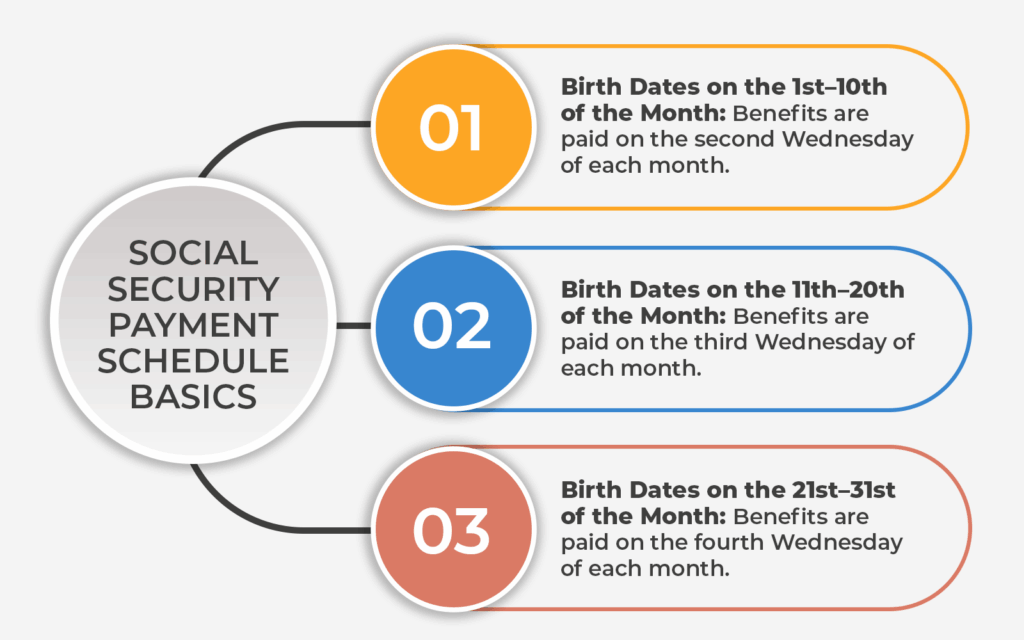
The Social Security Administration distributes benefits according to a carefully organized schedule. The payment date depends on the type of benefit you receive. SSI follows one simple rule. Payments are usually sent on the first day of each month. However, retirement benefits and Social Security Disability Insurance payments follow a different system. These payments are scheduled according to the beneficiary’s birth date.
Here is how the schedule works.
- People born between the first and tenth receive their payment on the second Wednesday of the month.
- People born between the eleventh and twentieth receive their payment on the third Wednesday.
- People born between the twenty first and thirty first receive their payment on the fourth Wednesday.
Because these benefits are spread throughout the month, retirement and SSDI recipients rarely face the same confusion experienced by SSI beneficiaries. When someone searches online asking, Are you missing your Social Security payment this month, they are often receiving SSI benefits rather than retirement payments.
Why it Looks Like A Payment was Skipped
The confusion usually happens because people think about income in terms of calendar months. Most individuals expect to receive one payment every month. However, Social Security payments are based on scheduled payment dates rather than the number of deposits within a specific month.
Consider this example.
- A beneficiary receives their regular payment on June first. Because the next month begins on a weekend, the following payment is issued early on June thirtieth. That means two deposits appear in June.
- When July arrives, there is no new payment because the July benefit was already paid.
- This situation makes it look like July’s payment disappeared. As a result, many people start searching for answers and asking whether they are missing their Social Security payment this month.
- Once they review the payment calendar, they realize the benefit was simply issued earlier.
What Beneficiaries Should Do If a Payment Is Missing
Even though early payments explain most situations, it is still important to confirm that everything is correct. If you believe your Social Security benefit did not arrive, there are several steps you can take.
- First, check the official Social Security payment calendar for the current year. This calendar explains exactly when benefits are scheduled.
- Second, review your bank account history. Look closely at deposits that may have been made at the end of the previous month.
- Third, confirm the type of benefit you receive. SSI, SSDI, and retirement benefits all follow different schedules.
- Fourth, contact the Social Security Administration if the payment truly appears to be missing.
In many cases, beneficiaries quickly discover that the deposit arrived earlier than expected. Understanding this process helps reduce confusion for those wondering whether they are missing their Social Security payment this month.
How To Plan Ahead When Two Payments Arrive In One Month
Receiving two benefit payments in one month can create budgeting challenges. While it may initially feel like extra income, that second payment is meant to cover expenses for the following month. Financial planners often recommend treating the second deposit as next month’s income rather than spending it immediately.
Here are a few strategies that can help beneficiaries manage their payments more effectively.
- Set aside the early payment in a separate account if possible.
- Use a monthly budget to track when bills are due.
- Keep a printed Social Security payment calendar at home.
- Plan for essential expenses like rent, food, and medical costs.
- Being aware of the payment schedule can help prevent financial stress when the next month arrives without a deposit.
- This is especially helpful for individuals who depend heavily on their benefits for daily living expenses.
Why Understanding Payment Timing Matters
Social Security benefits are one of the most important financial lifelines for millions of households. Even small misunderstandings about payment timing can cause unnecessary worry. Learning how the system works allows beneficiaries to stay informed and avoid confusion. Many people who search for information about whether they are missing their Social Security payment this month eventually discover that the payment arrived earlier than expected. By reviewing payment schedules and planning ahead, recipients can ensure their finances remain stable throughout the year.
Read More:-
FAQs
Why Am I Missing My Social Security Payment This Month
In most cases, the payment is not actually missing. If you receive Supplemental Security Income, the payment may have been issued earlier because the first day of the month fell on a weekend or federal holiday.
Who Is Affected by Missing Social Security Payments
The group most affected is Supplemental Security Income recipients because their payments are scheduled for the first day of each month.
Will I Lose My Social Security Payment If It Arrives Early
No. The payment amount does not change. The benefit simply arrives earlier than usual due to scheduling adjustments.
How Can I Check My Social Security Payment Date
You can review the official Social Security Administration payment calendar or check your deposit history through your bank account.