
The South Central Railway (SCR) has officially triggered one of the largest technical training mobilizations of the year, commencing its Railway Recruitment 2026 drive. With 2,801 apprentice positions currently open, the initiative represents a critical bridge between vocational education and industrial application. The application window, which opened on March 12, 2026, serves as a high-stakes opportunity for ITI-qualified youth to enter the ecosystem of the world’s fourth-largest railway network before the portal closes on April 11, 2026.
Table of Contents
SCR Apprentice Recruitment 2026
| Feature | Specification |
| Total Vacancies | 2,801 Seats |
| Primary Beneficiary | ITI Certificate Holders (NCVT/SCVT) |
| Selection Mode | 100% Merit-Based (No Written Exam) |
| Training Duration | One Year (Standard Apprenticeship Act) |
| Stipend Range | As per Govt. Norms (approx. ₹7,000 – ₹8,050/month) |
| Application Deadline | April 11, 2026, at 23:59 HRS |
Strategic Overview: Addressing the Technical Skill Gap
The 2026 recruitment cycle is not merely a routine hiring exercise; it is a strategic response to the evolving technological landscape of the Indian Railways. As the network transitions toward 100% electrification and the integration of Vande Bharat trainsets, the demand for specialized trades—particularly Electricians and AC Mechanics—has surged.
According to data from the Ministry of Skill Development and Entrepreneurship (MSDE), apprenticeships in the public sector have seen a 15% year-on-year increase in completion rates, suggesting that “learning by doing” remains the most effective pedagogy for India’s massive youth population.
The Trade Hierarchy: Where the Opportunities Lie
The Railway Recruitment Cell (RRC) has prioritized trades that align with modern maintenance needs. The Electrician trade leads the list with 1,258 slots, reflecting the massive infrastructure push toward electric traction. Fitters (539) and AC Mechanics (251) follow closely, driven by the expansion of air-conditioned economy coaches and high-speed rail corridors.
The Selection Philosophy: Merit Over Examination
In a departure from the high-pressure environment of competitive exams like the UPSC or SSC, the Railway Recruitment 2026 for apprentices relies on a transparent “Merit Index.” This index is calculated by taking the simple average of marks from the Class 10 (SSC) board exams and the ITI trade certificate.
“By removing the written exam barrier, we ensure that those who have demonstrated consistent practical and academic skill throughout their vocational schooling are rewarded,” noted a regional director at the National Skill Training Institute (NSTI).
The Merit Formula
$${Merit\ Score} = \frac{(\% \ of \ Marks \ in \ 10th) + (\% \ of \ Marks \ in \ ITI)}{2}$$
This 50-50 weightage ensures that a candidate’s foundational education is balanced against their specialized technical training.
A Day in the Life: From Classroom to Carriage Workshop
For the 2,801 successful candidates, the one-year training period is an intensive immersion. Apprentices at SCR workshops, such as the Lallaguda Carriage Workshop or the Rayanapadu Wagon Workshop, work alongside seasoned “Master Craftspersons.”
What Apprentices Learn:
- Safety Protocols: Understanding the rigorous safety standards of the Indian Railways, including high-voltage precautions.
- Component Maintenance: Hands-on repair of pantographs, braking systems, and HVAC units.
- Digital Logging: Use of internal railway software to track maintenance schedules and component lifecycles.
The “20% Preference” Factor: The Long-Term Benefit
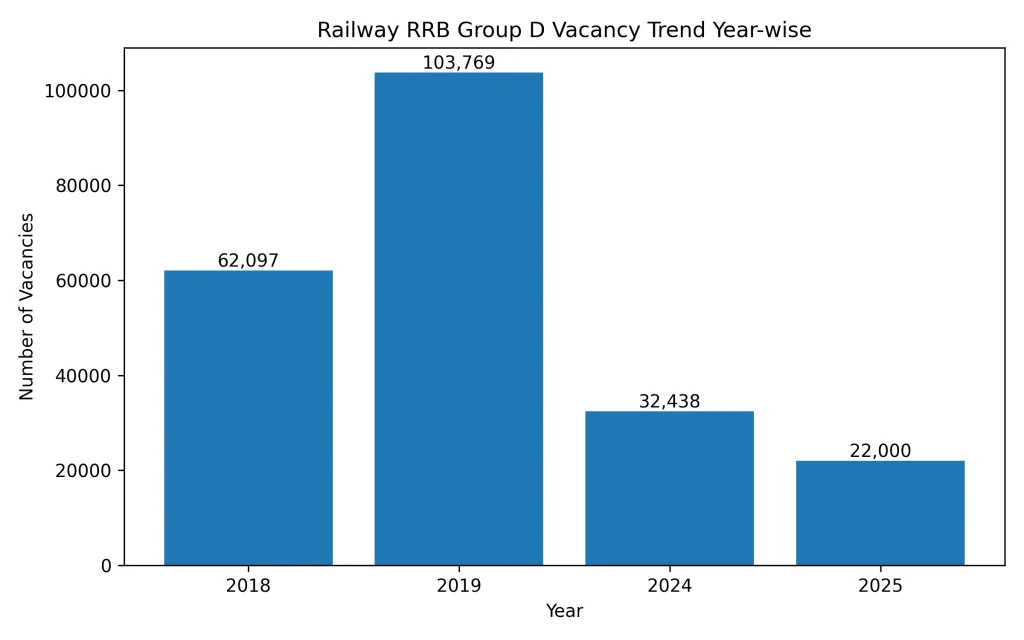
While the apprenticeship itself is a one-year temporary training stint, its true value lies in the Railway Recruitment Board (RRB) horizontal reservation policy. Under current norms, Course Completed Act Apprentices (CCAA) are eligible for a 20% vacancy reservation in Level-1 (Group D) recruitment drives.
Furthermore, CCAAs are often exempted from the Physical Efficiency Test (PET), a significant advantage in the highly competitive railway job market. This makes the Railway Recruitment 2026 drive a foundational step for anyone eyeing a permanent career in the public sector.
Navigating the Application Hurdles
The application process involves a dual-portal registration system that can be complex for first-time applicants.
- NAPS Registration: Every candidate must first register on the Apprenticeship India (NAPS) portal to generate a unique registration number. This acts as a centralized database for the government to track skill development.
- SCR Portal Submission: Once the NAPS ID is secured, the candidate must navigate to the RRC SCR official site.
- Document Integrity: The RRC has warned that any discrepancy between the marks entered and the original certificates during document verification will lead to immediate disqualification.
Common Pitfalls to Avoid:
- Photo Specifications: Uploading a selfie instead of a professional passport-sized photo with a light background.
- Signature Clarity: Using a pen that is too light, making the scanned signature illegible.
- Community Certificates: Using outdated caste certificates; SC/ST/OBC certificates must be in the Central Government format, not just the state format.
Economic Impact on the SCR Region
The South Central Railway’s jurisdiction covers Telangana, Andhra Pradesh, and parts of Maharashtra and Karnataka. By focusing on local recruitment, this drive injects technical expertise into these regional economies.
Economists suggest that local apprenticeship drives reduce rural-to-urban migration by providing local youth with skills that are highly transferable to private-sector manufacturing hubs in Hyderabad and Visakhapatnam, even if they do not secure a permanent railway job immediately.
Expert Perspective: The Future of Vocational Training
“The Indian Railways is the largest industrial employer in the country,” says Dr. Arpan Ghosh, a policy analyst specializing in Indian labor markets. “By streamlining the Railway Recruitment 2026 apprentice process, the government is essentially creating a ‘ready-to-hire’ pool for the private sector, should the railways not absorb them all. It is a win-win for industrial productivity.”
However, critics point out that the stipend—ranging from ₹7,000 to ₹8,050—has not kept pace with inflation in urban centers like Secunderabad. Advocacy groups often call for a revision of these rates to support apprentices who relocate from rural districts.
Conclusion: A Closing Window of Opportunity
The Railway Recruitment 2026 drive for 2,801 apprentices represents one of the most accessible pathways into the prestigious Indian Railways. With the selection based on prior academic performance rather than a one-day exam, it offers a fair assessment of a candidate’s long-term dedication to their craft.
Prospective applicants are urged to verify their ITI trade eligibility and finalize their NAPS registration immediately. As the April 11 deadline approaches, the surge in portal traffic often leads to server delays. For thousands of ITI graduates, this training year could be the definitive turning point in their professional lives.