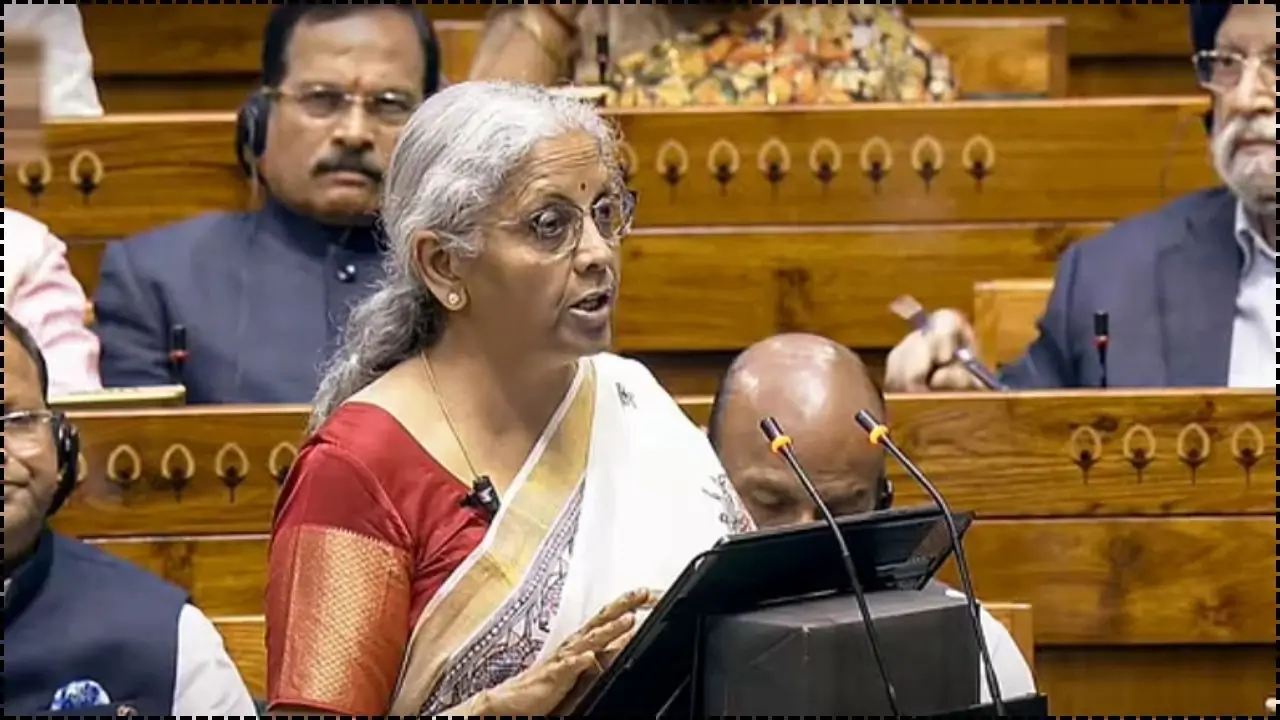

India’s rural economy is once again at the center of a major policy conversation. Recent discussions around the G Ram G Bill have sparked interest among policymakers, economists, and industry experts who closely watch government spending and rural development initiatives. The G Ram G Bill is being viewed as a potential shift in how the government approaches rural employment, infrastructure creation, and the broader rural welfare ecosystem. The decision connected to the ₹95,000 crore plan signals that the government may be rethinking traditional rural employment frameworks in favor of a more development-oriented approach. Because rural income, infrastructure, and energy usage are closely connected, policy changes linked to the G Ram G Bill could influence how essential services like LPG reach millions of households across India. The G Ram G Bill has become a major topic of discussion in the policy landscape because it proposes a new direction for rural employment and livelihood programs.
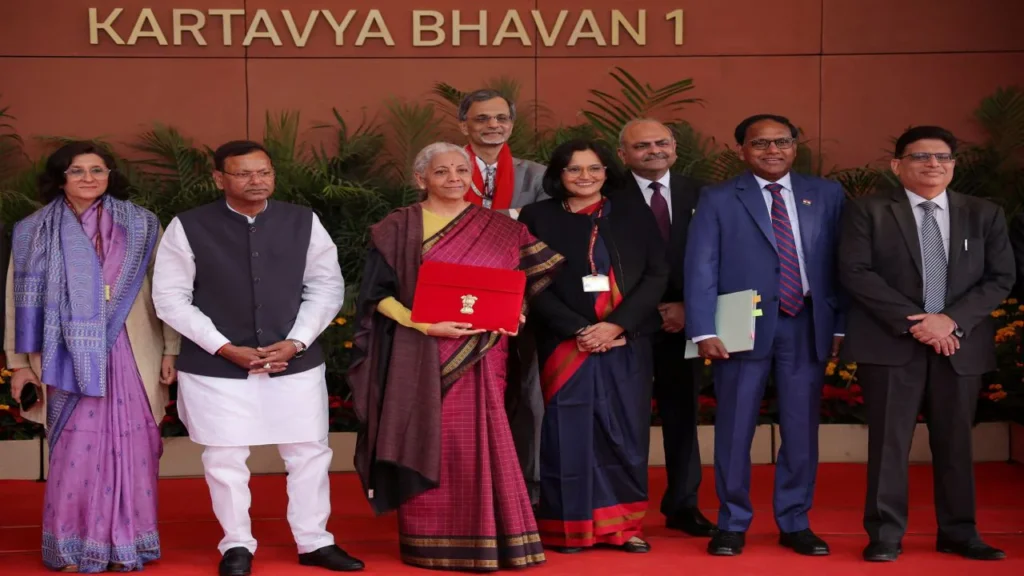
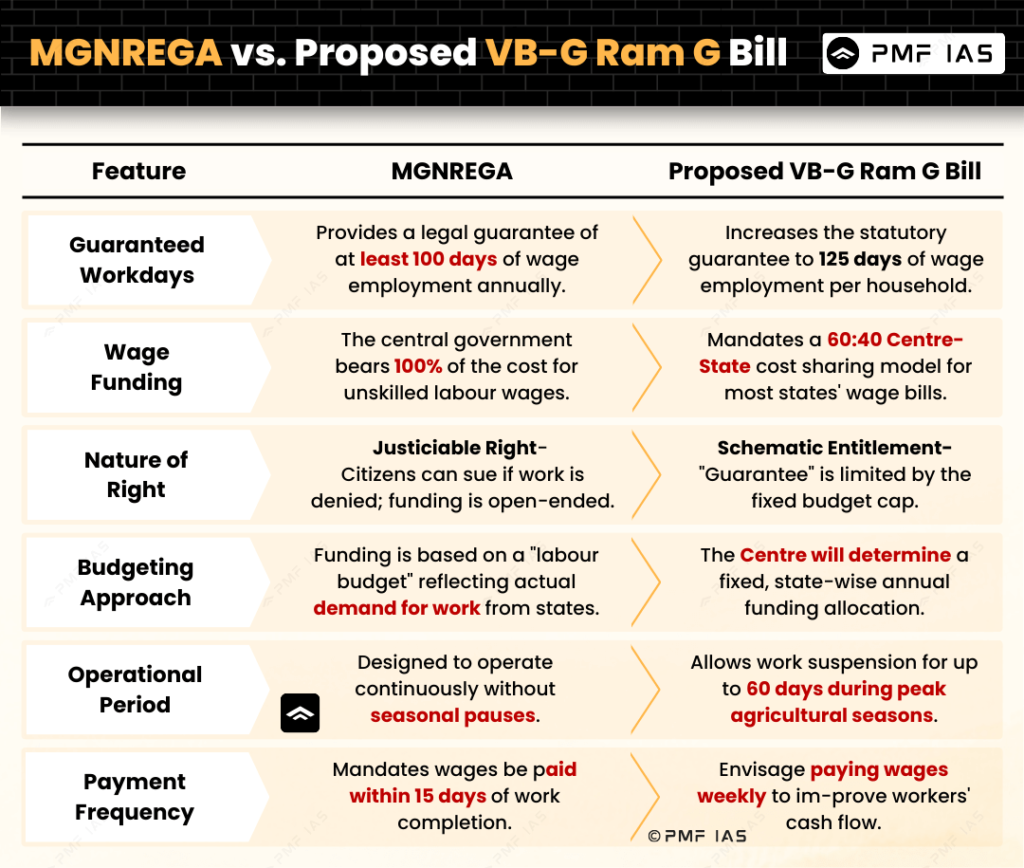
Instead of focusing solely on temporary employment opportunities, the government appears to be exploring a structure where rural work programs are closely linked with infrastructure creation and long-term development. Under the framework being discussed, the G Ram G Bill could guarantee up to 125 days of work annually for rural households while also encouraging projects that build lasting assets. These projects may include rural roads, water conservation systems, agricultural infrastructure, and community facilities. Such development efforts can significantly influence rural supply chains. As infrastructure improves and household incomes rise, demand for cleaner cooking fuels such as LPG naturally increases. This is why the G Ram G Bill is being viewed not just as a rural employment initiative but also as a policy that may reshape LPG distribution networks across India.
Table of Contents
G RAM G Bill
| Key Element | Details |
|---|---|
| Policy Name & Initiative | G Ram G Bill |
| Proposed Budget Allocation | ₹95,000 Crore |
| Primary Focus | Rural Employment & Livelihood Support |
| Employment Guarantee | Up To 125 Days Of Work For Rural Households |
| Core Objective | Strengthen Rural Economy & Infrastructure |
| Major Impact Areas | Rural Income & LPG Distribution & Infrastructure Development |
| Policy Strategy | Link Employment With Asset Creation |
| Expected Outcome | Stronger Rural Supply Chains & Improved Energy Access |
The discussion around the G Ram G Bill highlights an important shift in India’s approach to rural development. Instead of focusing only on short-term employment generation, the proposed framework aims to combine job opportunities with infrastructure creation and long-term economic growth. By linking rural employment programs with projects that improve productivity and connectivity, the government hopes to build stronger and more sustainable rural economies.
Why The ₹95000 Crore Plan Was Reconsidered
- Large public spending programs often evolve as economic priorities change. Rural employment initiatives have played an important role in providing financial security to millions of families in India over the years. However, policymakers have been evaluating whether existing programs are producing enough long-term economic value. The reconsideration of the ₹95,000 crore plan reflects a shift in thinking. Instead of focusing only on temporary employment generation, the government is exploring ways to combine job creation with development projects that strengthen rural productivity.
- The G Ram G Bill fits into this new approach. By connecting employment programs with infrastructure projects, the policy aims to create lasting benefits for rural communities. Projects such as irrigation systems, rural roads, water conservation structures, and agricultural facilities can boost productivity while also providing employment opportunities. Another important reason for revisiting large rural spending programs is efficiency. Governments increasingly want to ensure that taxpayer funds are used effectively and lead to measurable improvements in economic growth, infrastructure development, and quality of life. By shifting focus toward development-driven employment programs, policymakers hope to generate stronger economic outcomes while continuing to support rural households.
What Rural Development Policies Influence LPG Access
- Although rural employment policies may seem unrelated to cooking fuel at first glance, they are actually closely connected. The G Ram G Bill could indirectly play a major role in improving LPG accessibility in rural India. One of the key factors influencing LPG adoption is household income. When rural families earn stable incomes through employment programs, they are more likely to adopt cleaner cooking fuels instead of relying on traditional fuels such as firewood, crop residue, or dung cakes.
- Cleaner fuels like LPG provide significant health benefits by reducing indoor air pollution. Millions of households across rural India have already shifted to LPG in recent years through government initiatives, but consistent adoption often depends on income stability.
- Infrastructure development also plays a major role. Programs associated with the G Ram G Bill may lead to improved rural roads, better transportation systems, and enhanced storage facilities. These improvements make it easier for LPG distributors to reach remote villages. Better connectivity allows LPG delivery vehicles to operate more efficiently and reduces transportation costs. This ultimately benefits both distributors and consumers.
- Another factor is increased demand. As rural incomes rise due to employment opportunities created by the G Ram G Bill, households are more likely to refill LPG cylinders regularly. This encourages LPG companies to expand their distribution networks and establish new delivery centers. In this way, a rural employment program can indirectly strengthen energy supply chains across the country.
Rural Spending and Economic Multiplier Effects
- Government spending in rural areas often produces powerful economic ripple effects. Economists refer to this phenomenon as the multiplier effect. When funds enter rural communities through employment programs, they do more than provide immediate income to workers. The money circulates through the local economy, supporting businesses, farmers, and service providers.
- For example, workers hired for infrastructure projects earn wages that they spend on food, clothing, household goods, and services. This increased spending benefits local shops and markets, which may expand operations and hire more workers. The G Ram G Bill has the potential to amplify this multiplier effect because it focuses on development projects that improve long-term productivity. Infrastructure improvements such as irrigation systems, rural roads, and storage facilities can increase agricultural output and strengthen market access for farmers.
- Improved rural infrastructure also encourages private investment. Businesses are more likely to invest in regions where transportation networks, supply chains, and market access are reliable. As economic activity grows, rural households gain access to better services including education, healthcare, digital connectivity, and energy. This is why policymakers often view rural development spending as a key driver of national economic growth.
Challenges and Implementation Concerns
While the goals of the G Ram G Bill are ambitious, implementing such a large-scale policy comes with several challenges.
- One of the main concerns is administrative coordination. Rural development programs require collaboration between central government agencies, state governments, and local administrative bodies. Ensuring smooth communication and coordination among these institutions is essential for successful implementation.
- Another challenge involves beneficiary identification. Employment programs must accurately identify eligible households to ensure that support reaches those who need it most.
- Budget management is another critical factor. With allocations potentially reaching tens of thousands of crores, transparency and accountability will be crucial in maintaining public trust and ensuring that funds are used efficiently.
- Infrastructure expansion must also keep pace with economic growth. If the G Ram G Bill successfully boosts rural incomes, demand for services such as LPG distribution may rise rapidly. Supply chains must be ready to adapt to this increased demand.
- Addressing these challenges will be essential to ensure that the policy achieves its intended outcomes.
The Broader Policy Vision
- India’s long-term development strategy places strong emphasis on rural transformation. Nearly two-thirds of the country’s population lives in rural areas, making rural economic growth essential for national progress.
- The G Ram G Bill aligns with this broader vision by integrating employment generation with infrastructure development and productivity improvements.
- Rather than treating welfare programs and development projects as separate initiatives, the new approach aims to combine them into a single strategy that strengthens rural economies.
- This integrated model can help reduce economic disparities between rural and urban regions. By investing in infrastructure and productivity, policymakers hope to create opportunities for sustainable growth across rural communities.
- Stronger rural economies also support national economic stability. When rural households have stable incomes and access to services, overall consumption levels increase, benefiting industries across the country.
What This Means For The Future
- The policy discussions surrounding the G Ram G Bill highlight how India’s development strategy continues to evolve. The reconsideration of the ₹95,000 crore plan is not simply about reallocating funds but about improving the effectiveness of rural development initiatives.
- If implemented successfully, the G Ram G Bill could generate several long-term benefits. Rural households may gain access to stable employment opportunities while communities benefit from improved infrastructure.
- Economic growth in rural areas could also strengthen supply chains for essential services including LPG distribution. As rural incomes rise and infrastructure improves, energy companies may expand their delivery networks to meet growing demand.
- This could lead to greater adoption of cleaner cooking fuels, improving public health outcomes and reducing environmental damage caused by traditional fuel use.
- The coming years will determine how effectively the G Ram G Bill transforms policy goals into real-world results. What remains clear is that rural development will continue to play a central role in India’s economic future.
Read More:-
Are You Missing Your Social Security Payment This Month? This Group Is Affected
FAQs
What Is the G Ram G Bill?
The G Ram G Bill is a proposed policy initiative aimed at strengthening rural employment programs while linking them with infrastructure development and long-term economic growth.
Why Was The ₹95000 Crore Plan Reconsidered?
The government reconsidered the plan to focus more on development-oriented projects that create lasting infrastructure and economic benefits rather than only providing temporary employment.
How Could the G Ram G Bill Affect LPG Access?
By increasing rural incomes and improving infrastructure, the G Ram G Bill could boost demand for LPG and expand distribution networks in rural areas.
Will The G Ram G Bill Replace Existing Rural Employment Schemes?
The bill is expected to reform or integrate existing rural development initiatives rather than completely eliminate them.