
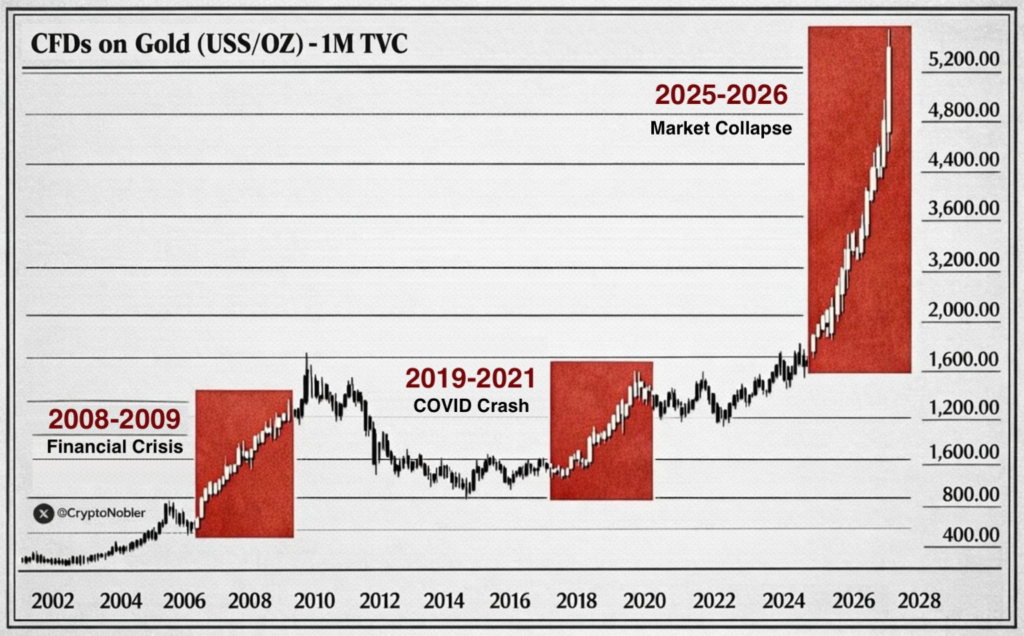
Gold has always been a fascinating asset. It doesn’t just move based on numbers, it reacts to emotions, uncertainty, and global events. Right now, the big talking point in the market is gold prices stuck below $4900. Investors, traders, and analysts are all watching this level closely because gold prices stuck below $4900 are not behaving the way many expected. With inflation still lingering and global tensions far from resolved, gold was supposed to move higher. Yet, it hasn’t. This unusual pause is what makes the situation so interesting. When gold prices stuck below $4900, it creates a sense of anticipation. Markets rarely stay quiet for long. Either a strong upward breakout is building, or a deeper correction is waiting just around the corner. Understanding what’s really happening behind the scenes can help you make smarter decisions instead of reacting emotionally to price movements.
The phrase gold prices stuck below $4900 perfectly describes the current market phase. This is what traders call consolidation, where prices move within a narrow range instead of trending clearly up or down. It might look boring at first, but in reality, it’s one of the most important phases in any market cycle. When Gold Prices stuck below $4900, it usually means buyers and sellers are evenly matched. Bulls believe gold should go higher due to inflation and uncertainty. Bears think rising interest rates and a strong dollar will keep prices down. This balance creates a pause, but it doesn’t last forever. In most cases, such consolidation leads to a powerful move once one side gains control.
Table of Contents
Gold Prices Stuck Below $4900
| Key Factor | Current Situation | Impact on Gold Prices |
|---|---|---|
| Price Level | Stuck below $4900 | Strong resistance zone |
| Inflation | Still above target in many regions | Supports gold demand |
| Interest Rates | Relatively high | Limits upside potential |
| US Dollar Strength | Stable to strong | Pressures gold |
| Central Bank Activity | Continued buying | Long-term bullish factor |
| Market Sentiment | Neutral to cautious | Sideways movement |
| Global Uncertainty | Ongoing | Supports safe-haven demand |
The current situation where gold prices stuck below $4900 is not something to ignore. It represents a critical moment in the market. These quiet phases often come before big moves. Instead of guessing, it’s better to stay informed and watch key indicators. Interest rates, inflation data, and global events will play a major role in deciding what happens next. Gold has always proven its value during uncertain times. And while it may seem stuck right now, this could simply be the calm before a significant move that reshapes the market.
Why Gold Is Struggling to Break Higher
There are a few clear reasons why gold prices stuck below $4900 are not breaking out.
- First, interest rates are still high in many major economies. When interest rates rise, investors get better returns from bonds and fixed-income assets. Gold, on the other hand, doesn’t pay interest. So naturally, some money shifts away from gold, limiting its upside.
- Second, the US dollar remains relatively strong. Since gold is priced in dollars, a stronger dollar makes gold more expensive for buyers in other countries. This reduces demand and keeps prices from rising.
- Third, market momentum is missing. Earlier, many investors entered the market expecting a rally. Now, without new buyers stepping in, gold prices stuck below $4900 continue to move sideways.
Signs Pointing Toward a Potential Breakout
- Even though gold prices stuck below $4900 may seem like a sign of weakness, there are several strong signals suggesting the opposite. Inflation is still a major factor. While it has cooled slightly in some regions, it is far from under control globally. Gold has always been seen as a hedge against inflation, and that role has not changed. Another important factor is central bank buying. Countries around the world are increasing their gold reserves. This steady demand is not driven by short-term trends but by long-term strategy. It creates a solid foundation under the market.
- Geopolitical uncertainty also continues to support gold. Conflicts, trade tensions, and economic instability make investors look for safety, and gold is often the first choice. From a technical perspective, long consolidation periods like this often lead to strong breakouts. The longer gold prices stuck below $4900, the more explosive the eventual move can be.
Risks of a Downside Breakdown
- While there are bullish signals, it’s important to stay realistic. Markets can move in either direction.
- If global economic data continues to improve, investors may prefer stocks and other growth assets over gold. This would reduce demand.
- Another risk is that central banks may keep interest rates high for longer than expected. This would continue to put pressure on gold.
- If geopolitical tensions ease, safe-haven demand could also decline. In such a scenario, gold prices stuck below $4900 could start moving lower instead of higher.
- Finally, repeated failure to break the $4900 level strengthens it as a resistance zone. The more times price gets rejected, the stronger that ceiling becomes.
Key Levels to Watch
To understand what might happen next, you need to watch a few important levels.
- The most important resistance is $4900. A strong move above this level could signal the start of a new rally.
- On the downside, support lies between $4700 and $4750. If prices fall below this range, it could trigger further selling.
- A breakout above $5000 would be a major bullish signal and could attract strong buying interest.
- On the other hand, a drop below $4600 would indicate that the market is turning bearish.
Market Sentiment and Investor Behavior
Right now, sentiment around gold prices stuck below $4900 is cautious. Investors are not panicking, but they are also not overly confident. Institutional investors seem to be quietly accumulating gold rather than making aggressive moves. This kind of behavior often signals long-term confidence. Retail investors are more reactive. They are waiting for confirmation before entering the market. This is why volumes remain moderate during this phase. This mix of patience and uncertainty is typical during consolidation.
What Could Trigger the Next Big Move?
Several factors could push gold out of its current range.
- If central banks start cutting interest rates, gold could rise quickly. Lower rates make gold more attractive compared to other assets.
- Unexpected inflation spikes could also drive prices higher. Investors would turn to gold as a hedge.
- A weakening dollar would provide strong support for gold prices.
- Global events, such as financial instability or geopolitical shocks, could trigger a sudden surge in demand.
Breakout or Crash: What’s More Likely?
- At the moment, gold prices stuck below $4900 do not clearly signal a crash. Instead, they suggest that the market is preparing for its next move.
- The overall structure still leans slightly bullish. Central bank demand, ongoing uncertainty, and inflation concerns all support higher prices in the long term.
- However, the short term remains uncertain. Without a clear catalyst, prices may continue to move sideways.
Read More:-
FAQs
Why are gold prices stuck below $4900 right now?
Gold prices stuck below $4900 are mainly due to a combination of high interest rates, a strong US dollar, and cautious investor sentiment. These factors are balancing out bullish drivers like inflation and geopolitical risks, keeping prices in a tight range.
Is gold likely to break above $4900 soon?
It is possible, but it depends on key triggers. If interest rates start falling, inflation rises again, or global uncertainty increases, gold could break above $4900. Until then, consolidation may continue.
Can gold prices fall below current levels?
Yes, gold prices stuck below $4900 could move lower if economic conditions improve, interest rates remain high, or demand for safe-haven assets decreases. A break below key support levels may lead to further downside.
What should investors watch in the gold market?
Investors should closely monitor inflation data, central bank policies, interest rate decisions, and movements in the US dollar. These factors have a direct impact on gold prices.