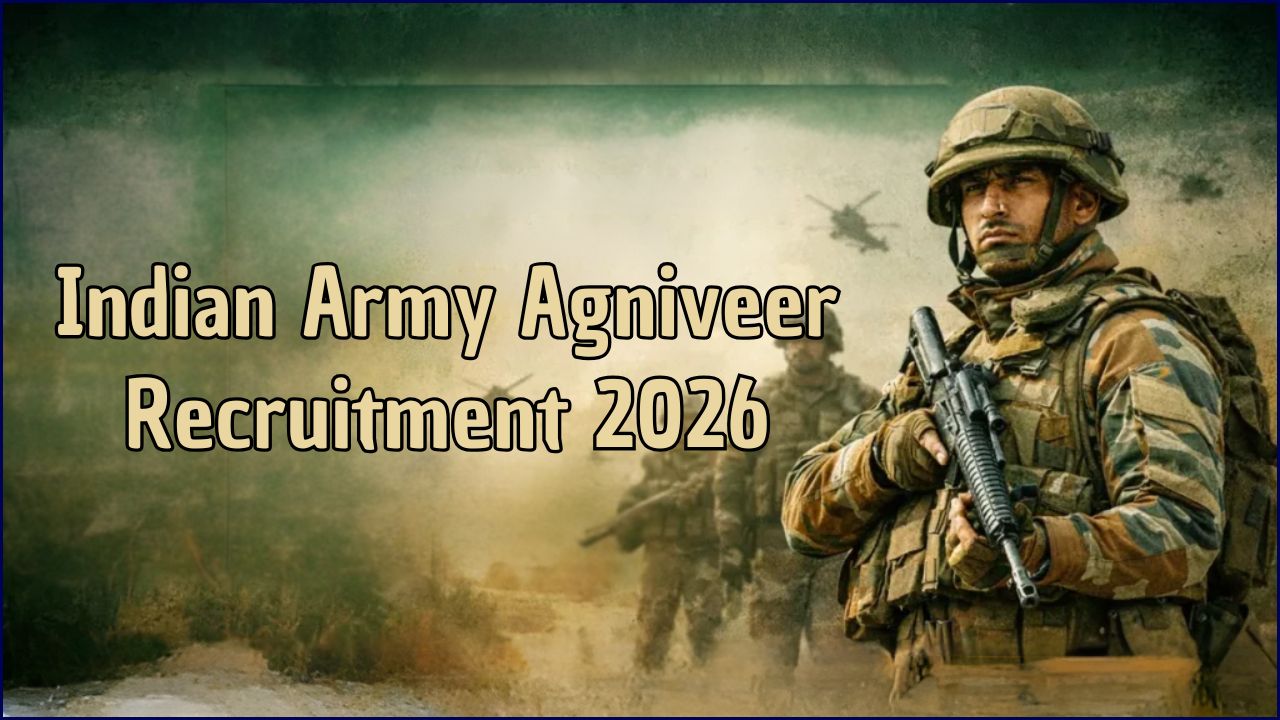

The Indian Army Agniveer 2026 registration process is entering its final phase, with the official portal set to close applications on April 1, 2026. Eligible candidates must complete their online submissions via the Join Indian Army website to participate in the upcoming Common Entrance Examination (CEE) scheduled for June. This recruitment cycle marks a critical window for Indian youth seeking a four-year tenure under the Agnipath scheme, a policy that has fundamentally reshaped the personnel structure of the world’s second-largest standing army.
Table of Contents
Key Insights: Agniveer 2026 Intake
| Feature | Details |
| Registration Deadline | April 1, 2026 (15:00 IST) |
| Primary Keyword | Indian Army Agniveer 2026 |
| Age Eligibility | 17.5 to 22 years (varies by post) |
| Selection Phases | Phase I: Online CEE; Phase II: Recruitment Rally |
| Service Period | 4 Years (with 25% retention into permanent cadre) |
| Primary Portal | joinindianarmy.nic.in |
Final Deadlines for Indian Army Agniveer 2026 Registration
The Ministry of Defence (MoD) confirmed that the registration window for the 2026 intake officially opened on February 13. According to the official notification, the last date for candidates to register is April 1, 2026, at 15:00 hours. This year, the Army has integrated an Aadhaar-linked verification system to streamline the authentication of candidates, aiming to reduce administrative delays and eliminate fraudulent entries.
Late applications will not be entertained, and the fee payment portal will remain active until April 2 to accommodate pending transactions. Officials from the Directorate General of Recruiting urge candidates to avoid last-minute technical glitches by completing their forms well ahead of the cutoff. “We have seen a surge in traffic during the final 48 hours in previous cycles, which can lead to payment failures,” noted a senior official from the Army Recruitment Office (ARO).
The Strategic Shift: Modernizing the Force
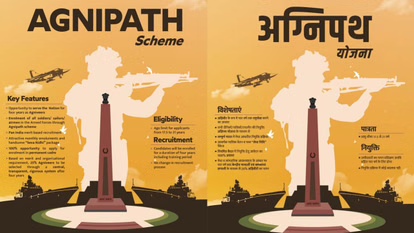
The Agnipath scheme, under which the Indian Army Agniveer 2026 candidates are recruited, was launched to lower the average age profile of the Indian Armed Forces. By bringing in younger, tech-savvy recruits, the Indian Army aims to create a “fitter, leaner” force capable of handling modern warfare challenges, including cyber threats and drone technology.
Experts suggest that this shift is not merely about age but about fiscal sustainability. By transitioning a portion of the force to a short-term contract model, the government seeks to balance the high cost of pensions with the need for capital expenditure on high-tech weaponry. According to a report by the Manohar Parrikar Institute for Defence Studies and Analyses (IDSA), this human resource model allows for a constant churn of motivated youth who return to civil society with disciplined training and technical skills.
Eligibility and Educational Requirements
The eligibility criteria for the 2026 cycle reflect the Army’s growing need for technical proficiency. While the core age bracket remains 17.5 to 21 for most roles, a one-year relaxation has been applied to specific technical trades for the 2026 intake, extending the limit to 22 years for candidates with specific ITI or Diploma certifications.
Educational benchmarks include:
- Agniveer General Duty (GD): Class 10th/Matric with 45% marks in aggregate and 33% in each subject.
- Agniveer Technical: 10+2/Intermediate exam pass in Science with Physics, Chemistry, Maths, and English with minimum 50% marks.
- Agniveer Clerks/Store Keeper Technical: 10+2 with 60% marks in aggregate and minimum 50% in each subject.
- Agniveer Tradesmen: 8th or 10th pass for specific roles like chefs, dressers, and stewards.
Candidates must ensure their Date of Birth (DOB) falls between July 1, 2005, and July 1, 2009, to be eligible for the 2026 recruitment drive.
The Selection Process: A Digital-First Approach
The Indian Army has transitioned to a “Digital-First” recruitment model to ensure transparency. The process is divided into two distinct phases, starting with a nationwide online examination.
Phase I: Online Common Entrance Exam (CEE)
Scheduled for early June, the Online CEE is a computer-based test conducted across 375 centers in India. The exam tests candidates on General Knowledge, General Science, Mathematics, and Logical Reasoning. To assist rural candidates, the Army has launched “Mock Tests” on the official portal to familiarize them with the digital interface.
Phase II: The Recruitment Rally
Those who pass the CEE enter the physical testing phase. This remains the most grueling aspect of the selection. The Physical Fitness Test (PFT) includes:
- 1.6 KM Run: Candidates must complete the run within 5 minutes and 30 seconds for Group I (60 marks).
- Pull-Ups: A maximum of 10 pull-ups (40 marks).
- 9-Foot Ditch: A qualifying jump.
- Zig-Zag Balance: A qualifying test for agility.
“The physical standards remain uncompromising to ensure the operational readiness of the force,” stated a senior recruitment officer during a recent press briefing in Lucknow. Following the physical tests, a rigorous Medical Examination is conducted to ensure recruits meet the stringent health standards required for high-altitude and desert deployments.
Financial Package and the “Seva Nidhi” Benefit
One of the most debated aspects of the Indian Army Agniveer 2026 recruitment is the financial structure. Agniveers are not eligible for traditional pensions, but they receive a comprehensive compensation package known as the Seva Nidhi.
Annual Compensation Breakdown:
- 1st Year: ₹30,000 per month (fixed) + allowances.
- 2nd Year: ₹33,000 per month (fixed) + allowances.
- 3rd Year: ₹36,500 per month (fixed) + allowances.
- 4th Year: ₹40,000 per month (fixed) + allowances.
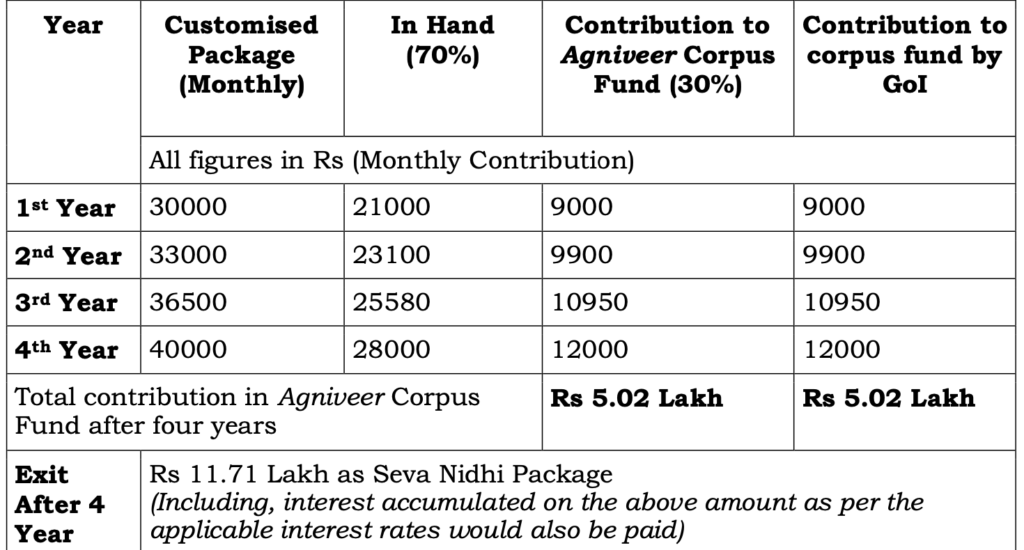
Upon completion of the four-year term, the Seva Nidhi package provides approximately ₹11.71 lakhs, including accrued interest. This amount is tax-free and intended to provide a financial cushion for those transitioning into the private sector or starting entrepreneurial ventures. Additionally, Agniveers receive a non-contributory life insurance cover of ₹48 lakhs during their service.
Career Transition and Post-Service Opportunities
A significant concern for many aspirants is the “what next” after four years. The Indian Army and the Ministry of Home Affairs (MHA) have announced several measures to ensure the employability of “Ex-Agniveers.”
- Permanent Cadre: Up to 25% of each batch will be enrolled as regular cardre soldiers based on their performance, merit, and organizational requirements.
- CAPF and Police Reservations: Several states, including Uttar Pradesh, Haryana, and Madhya Pradesh, have announced a 10% reservation for Ex-Agniveers in state police forces and Central Armed Police Forces (CAPF).
- Skill Certificates: Upon exit, Agniveers receive a “Skill India” certification, detailing the technical and leadership competencies gained during service, which is recognized by major corporate entities like Tata Motors, Mahindra, and Reliance.
Regional Significance and Public Response
Recruitment rallies in regions like Punjab, Haryana, and Rajasthan—traditionally known as the “martial belts” of India—continue to see massive turnouts. However, the shift from a permanent commission to a four-year contract has sparked nuanced debates within these communities.
“For many families in rural Haryana, the Army is not just a job; it is a tradition of ‘Izzat’ (honour),” says Dr. Ramesh Singh, a sociologist specializing in rural Indian trends. “While the Agnipath scheme changes the timeline of service, the prestige of the uniform still drives thousands to the recruitment grounds.”
Preparation Tips for Aspirants
As the Indian Army Agniveer 2026 deadline nears, experts recommend a balanced approach to preparation:
- Focus on Literacy: With the Online CEE being the first hurdle, candidates should prioritize the 10th-grade NCERT syllabus for Science and Math.
- Physical Conditioning: Consistency is key. Running 5km daily at a moderate pace is better than sprinting 1km once a week.
- Document Readiness: Ensure that the Aadhaar card is linked to an active mobile number. Discrepancies in names between the Class 10th certificate and Aadhaar are a common cause for rejection.
Conclusion
The Indian Army Agniveer 2026 recruitment drive is more than a hiring exercise; it is a pivotal component of India’s national security strategy. By fostering a younger, more technologically adept force, the military is preparing for a future where traditional combat and digital strategy overlap.
With the April 1 registration deadline fast approaching, the window for the next generation of soldiers to claim their place in the “olive greens” is closing. For those who succeed, the journey offers a unique blend of national service, financial stability, and professional development that will serve them long after their four-year tenure concludes.