
The Uttar Pradesh Pollution Control Board (UPPCB) has officially launched its 2026 recruitment drive, opening applications for 40 high-sanctioned technical positions. The move, seen as a critical step in bolstering the state’s environmental regulatory framework, invites specialists to fill roles as Assistant Environmental Engineers (AEE) and Assistant Scientific Officers (ASO). As Uttar Pradesh navigates a period of rapid industrial expansion, these officers will serve as the frontline of the state’s ecological defense.
Table of Contents
UPPCB Recruitment 2026
| Feature | Details |
| Total Vacancies | 40 Posts (26 AEE, 14 ASO) |
| Primary Goal | Strengthening industrial monitoring and environmental law enforcement. |
| Application Deadline | March 28, 2026 (06:00 PM IST) |
| Salary Grade | Pay Matrix Level-10 (₹56,100 – ₹1,77,500) |
| Selection Mode | 400-Mark CBT + 70-Mark Personal Interview |
| Key Responsibility | Oversight of STPs, CETPs, and Air Quality Monitoring Stations. |
The UPPCB Recruitment 2026 is a definitive call to action for the youth of Uttar Pradesh and the wider Indian engineering community. It represents a rare intersection of high-pay government stability and the opportunity to solve some of the country’s most pressing ecological crises. With the application window closing on March 28, 2026, the time for preparation and submission is now. As the state moves toward a more transparent, tech-driven monitoring era, these 40 new officers will be the architects of a cleaner, greener Uttar Pradesh.
The Strategic Importance of the 2026 Hiring Drive
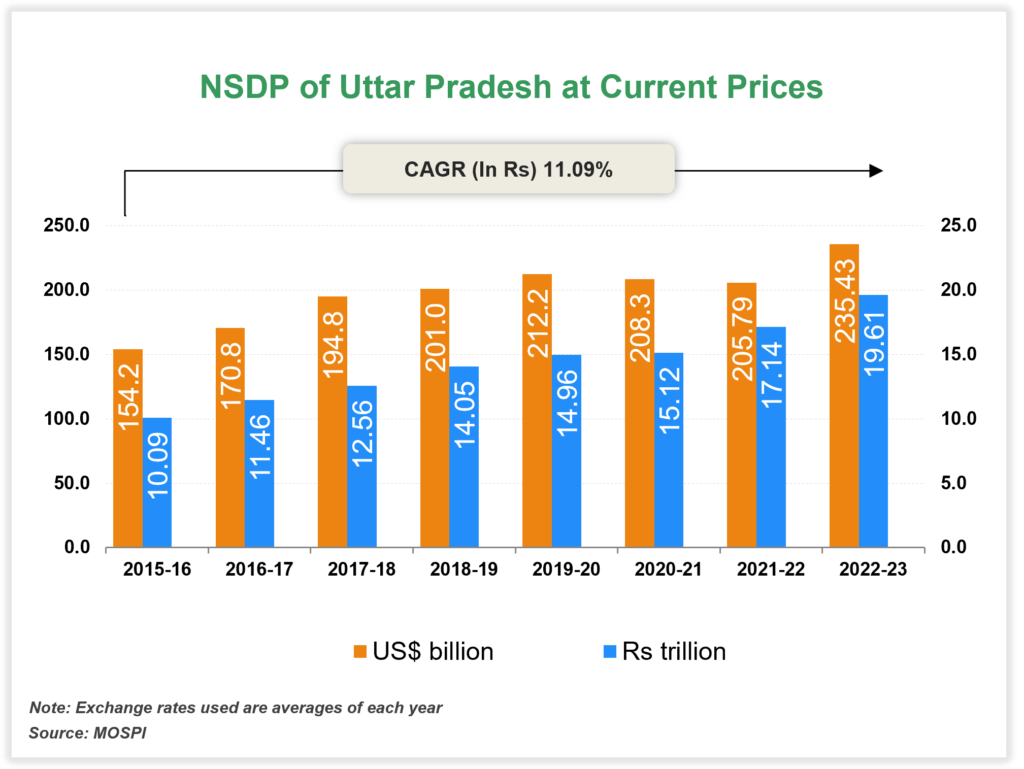
The UPPCB Recruitment 2026 is not merely a routine hiring cycle; it is a strategic reinforcement of the state’s “Green Industry” initiative. As Uttar Pradesh aims for a $1 trillion economy, the density of industrial clusters in Noida, Kanpur, and Ghaziabad has necessitated a more robust technical workforce.
The Department of Environment, Forests, and Climate Change noted in a recent briefing that the current ratio of monitoring officers to industrial units is under strain. By injecting 40 specialized officers into the system, the board aims to increase the frequency of surprise inspections and accelerate the processing of “Consent to Operate” (CTO) and “Consent to Establish” (CTE) certificates.
Detailed Vacancy and Compensation Analysis
The 40 positions are strategically split to balance engineering oversight with laboratory-based scientific research.
1. Assistant Environmental Engineer (AEE) – 26 Posts
The AEE cadre is the “field force” of the board. They are responsible for inspecting Industrial Effluent Treatment Plants (ETPs) and ensuring that factories adhere to the Air (Prevention and Control of Pollution) Act, 1981.
- Academic Bar: A full-time Bachelor’s degree in Civil, Chemical, or Environmental Engineering.
- Core Focus: Design and verification of pollution control equipment.
2. Assistant Scientific Officer (ASO) – 14 Posts
The ASO cadre manages the state’s network of environmental laboratories. They analyze water samples from the Ganga and Yamuna rivers and monitor Ambient Air Quality Index (AQI) data.
- Academic Bar: Master’s degree or Ph.D. in Chemistry, Zoology, or Botany.
- Core Focus: Chemical analysis, bio-monitoring, and toxicological assessments.
Technical Competencies: What the 2026 Exam Demands
The Computer Based Test (CBT) for UPPCB Recruitment 2026 has been updated to reflect modern environmental challenges. Sources close to the examination board suggest that the 70% technical portion of the paper will emphasize the following domains:
- Waste Management 2.0: Focus on Plastic Waste Management Rules 2024 and E-Waste handling.
- Climate Mitigation: Strategies for Carbon Credits and Net Zero goals for MSMEs.
- Hydrology: Advanced wastewater treatment technologies, including Membrane Bioreactors (MBR).
- Data Science: The use of Online Continuous Effluent Monitoring Systems (OCEMS) to track pollution in real-time.
The Marking Scheme
The exam comprises 100 questions. While the 4-mark-per-question reward is high, the negative marking of -1 is designed to discourage guessing, ensuring only candidates with precise knowledge qualify for the interview round.
Comparison: Government vs. Private Sector Environmental Roles
Prospective applicants often weigh these roles against positions in private consultancies or Multi-National Corporations (MNCs).
| Metric | UPPCB (Level-10) | Private Environmental Consultancy |
| Starting Basic | ₹56,100 | ₹40,000 – ₹50,000 |
| Job Security | High (Permanent State Govt.) | Market-Dependent |
| Authority | Statutory/Enforcement Power | Advisory Only |
| Work-Life Balance | Standard Govt. Hours | Project-Based/High Pressure |
While the private sector may offer faster promotional tracks, the UPPCB roles offer immense statutory power, allowing officers to issue “Show Cause” notices and closure orders to non-compliant units—a level of influence rarely found in the corporate sector.
The Regulatory Landscape: Why Now?
The timing of this recruitment coincides with increased pressure from the National Green Tribunal (NGT). In recent hearings, the NGT has emphasized that environmental boards must be adequately staffed to prevent the “administrative paralysis” that leads to river pollution.
“Staffing shortages cannot be an excuse for environmental degradation,” stated a recent NGT bench order regarding the rejuvenation of the Hindon River. Consequently, the Uttar Pradesh Government has fast-tracked this recruitment to ensure that every district office has a dedicated Engineer and Scientific Officer.
Step-by-Step Application Roadmap
To ensure your application for UPPCB Recruitment 2026 is not rejected, follow this rigorous documentation checklist:
Phase 1: Digital Preparation
Before logging onto the portal, ensure you have:
- A high-resolution scanned photograph (Passport size, white background).
- A digital signature in black ink.
- Self-attested PDFs of your degree certificates and Marksheets.
- Domicile Certificate: Vital for candidates seeking SC/ST/OBC age relaxations.
Phase 2: Online Submission
- Access: Navigate to the “Recruitment” tab on the official UPPCB website.
- E-KYC: The 2026 portal utilizes Aadhaar-based e-KYC to prevent duplicate applications.
- Preference Selection: Candidates eligible for both roles must specify their primary preference, though separate applications are permitted if fees are paid for each.
Phase 3: Fee Payment and Confirmation
The fee of ₹2,000 (General/OBC) is one of the highest for state technical exams, reflecting the high administrative cost of conducting a secure, proctored CBT. Always wait for the “Payment Successful” screen before closing your browser.
Preparing for the Interview (The Final 70 Marks)
History shows that the UPPCB interview panel values field-readiness over rote memorization. Candidates should be prepared to discuss:
- Recent environmental disasters and the board’s response.
- The conflict between “Ease of Doing Business” and environmental protection.
- Local issues, such as the stubble burning (Parali) challenges in Western UP or the tannery effluent issues in Kanpur.
Expert Opinion: “We aren’t just looking for engineers who can read a manual; we need officers who can navigate a factory floor and identify a bypassed effluent line,” says Dr. Arpan Sharma, a former consultant for the Central Pollution Control Board (CPCB).
Future Outlook: Career Progression in UPPCB
Selected candidates join as Class-II Gazetted Officers. The career trajectory for an Assistant Environmental Engineer typically follows this path:
- Assistant Environmental Engineer (Entry Level)
- Regional Officer (RO) / Executive Engineer (After 7-10 years)
- Chief Environmental Officer (CEO)
- Member Secretary (Top-tier administrative role)
This hierarchy ensures that a recruit from the 2026 batch could eventually lead the board’s policy-making wing within two decades.